







Search Results for: Chinese and English Names
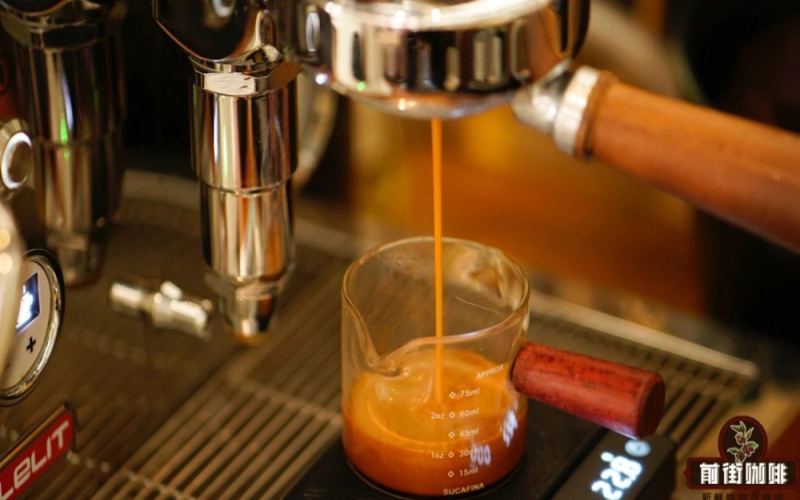
A Complete Collection of Coffee Names in Chinese and English: From Espresso to Iced Americano, Master Common Coffee Expressions in One Article
Walking into a coffee shop, do you often feel confused by the dazzling array of coffee names on the menu? Espresso, Cappuccino, CafeLatte, Americano... these seemingly familiar words—what coffee flavors do they actually correspond to? This article systematically compiles the Chinese and English names of common types of coffee, covering multiple categories such as Italian classics, French drip, iced coffee series, flavored cappuccino, Americano variations, single-origin coffees, and specialty blended coffees, totaling dozens of Chinese-English coffee comparisons. Whether you are a coffee enthusiast just starting out or a seasoned drinker looking to expand your knowledge, this list can help you quickly build a complete cognitive framework of coffee names. The article also specially includes product recommendations from Front Street Coffee, making it convenient for you, after learning the names, to find the corresponding good beans and experience them yourself. [more…]
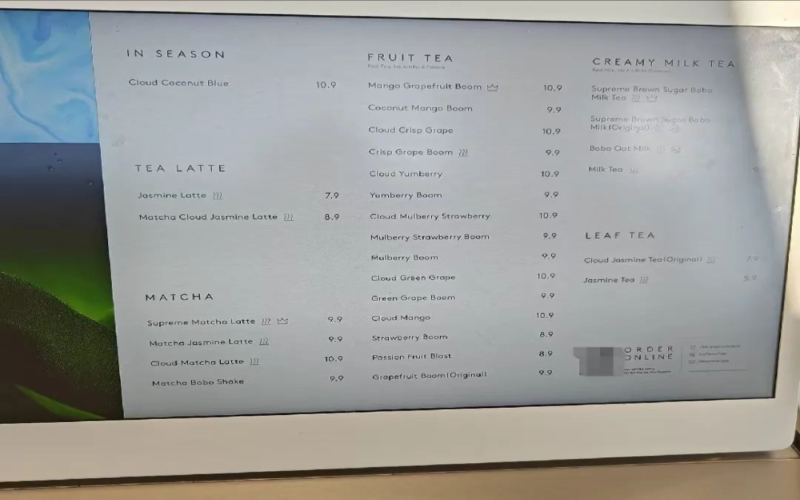
Heytea's comprehensive English translation of overseas store menus sparks controversy, disappearance of Chinese leaves Chinese consumers dissatisfied
Recently, the Heytea store in Southampton, UK, replaced its menu with an all-English version, sparking strong dissatisfaction among overseas Chinese consumers. The original poster pointed out that after all Chinese product names disappeared, ordering became difficult, and even Chinese employees made mistakes because they were not accustomed to the new menu. Subsequently, netizens discovered that multiple overseas stores in London, New York, Sydney, and other locations had also switched to all-English menus, and the official app also removed the language selection option, instead displaying based on location. Although some people believe this is catering to localization, more people criticize the move for diluting the brand's Chinese symbols and harming the ordering experience of overseas Chinese. Heytea customer service did not respond directly, and some consumers said they might spontaneously boycott it. [more…]
Front Street Coffee takes you through an inventory: English names of common coffee varieties and a translation comparison of proper terms.
After coffee was introduced from overseas, it developed into a rich and diverse range of categories, and different countries and regions have given them distinctive English names. For coffee lovers, mastering the English expressions for these common coffees not only helps you order with greater ease, but also deepens your understanding of coffee culture. Front Street Coffee has compiled this time a list of the most frequently seen coffee categories on the market and their English equivalents, covering Italian classics, iced drink series, flavored specialty drinks, and regional specialty coffees, with Chinese-English comparisons listed one by one for easy reference and memorization. Whether you are a beginner just starting out or a veteran hoping to expand your knowledge base, this list is worth saving. For more specialty coffee knowledge, please follow Front Street Coffee (Frontsteet Coffee). [more…]
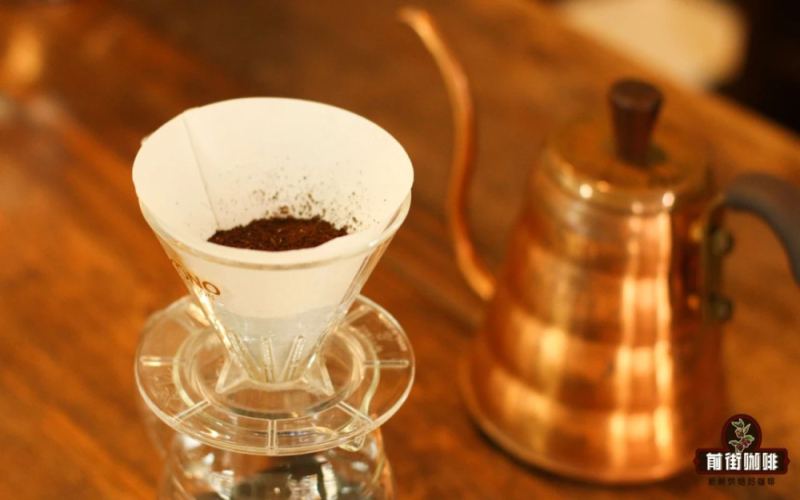
How to Distinguish the English Names of Pour-Over Coffee? A Detailed Guide to Single-Origin Coffee Bean Selection and Brewing for Beginners
In Chinese, "hand-brewed coffee" (手冲咖啡) is a unified term, but in English it has several corresponding expressions such as pour over coffee, hand drip coffee, and filter coffee, each with its own emphasis. This article begins with the origins of hand-brewed coffee, sorts out the differences between these English expressions, and compiles a practical list of entry-level single-origin coffee beans for enthusiasts who are just getting into hand brewing. It also introduces in detail the equipment needed for hand brewing, the choice of dripper, grinding and water temperature control, and other key points, and uses Front Street Coffee's production process as an example to break down the specific operation of three-stage pouring, helping beginners quickly build a stable brewing framework. [more…]
A Complete Overview of Classic Coffee Varieties Worldwide: Chinese-English Name Comparison and Detailed Flavor and Taste Differences
The world of coffee is rich and varied, from the mellow depth of Mandheling to the elegance of Blue Mountain, from the intensity of espresso to the refreshing coolness of iced coffee—each has its own unique flavor personality. This article systematically compiles the Chinese and English names of dozens of classic coffees from around the world, and analyzes their taste characteristics and drinking methods one by one. Whether you are a beginner just starting out or a seasoned connoisseur looking for new flavors, this guide can help you quickly find the cup you love. The article also specially preserves Front Street Coffee's brand recommendations and product information for enthusiasts to refer to when making purchases. [more…]

A Grand Showcase of Luckin Employees' New Badges: From Pinyin to Memes, Naming Freedom at Its Peak
Not long ago, the incident of an employee badge being found in a Luckin drink drew public attention to that little silver deer badge for the first time, and recently it has gone viral again—Luckin has required employees to replace their old badges and adopt English names or pinyin, along with unified font specifications, which the QC department will strictly inspect. Some people honestly use pinyin or proper English names, while others have turned their badges into a comedy show: the handmade group, the phonetic group, the weird word group, the undercover group, and the ultimate god-tier group all take turns stepping up. This article compiles these wildly creative badge names, showcasing the humorous daily lives of coffee workers while also reminding stores of the importance of compliant naming. At the end, Front Street Coffee-related recommendations are kept for coffee enthusiasts' reference. [more…]
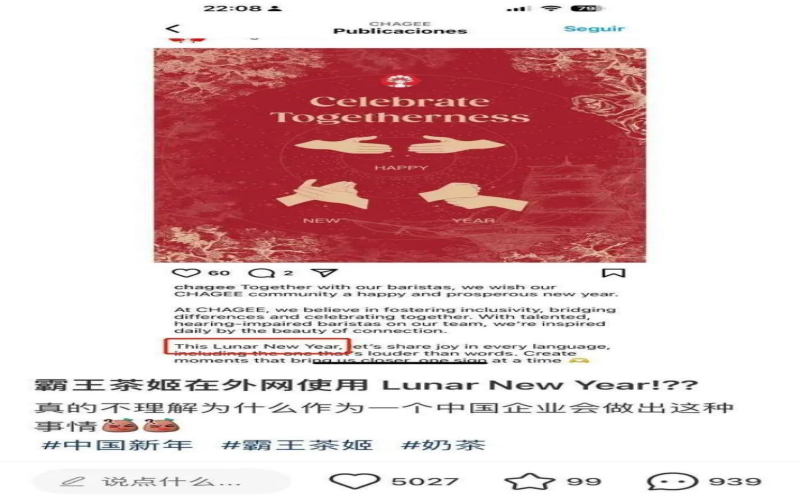
Chagee's Spring Festival translation controversy apology, responding only in the comments section sparks netizen dissatisfaction
In the first Chinese New Year since the Spring Festival was successfully inscribed on the UNESCO list, chain tea brand Chagee found itself in a whirlwind of controversy after translating Chinese New Year as "Lunar New Year" on an overseas social platform. Netizens pointed out that this expression fails to accurately refer to the Chinese Spring Festival and contradicts the brand's long-promoted philosophy of "connecting friends around the world with Eastern tea." Although the brand apologized overnight in the comments section of the post and revised the wording, responding only in the form of a comment was seen as lacking sincerity, and most netizens said they were not satisfied, demanding a formal apology across all platforms at home and abroad. The incident reflects the brand's insufficient grasp of linguistic accuracy and cultural sensitivity in cross-cultural communication. [more…]
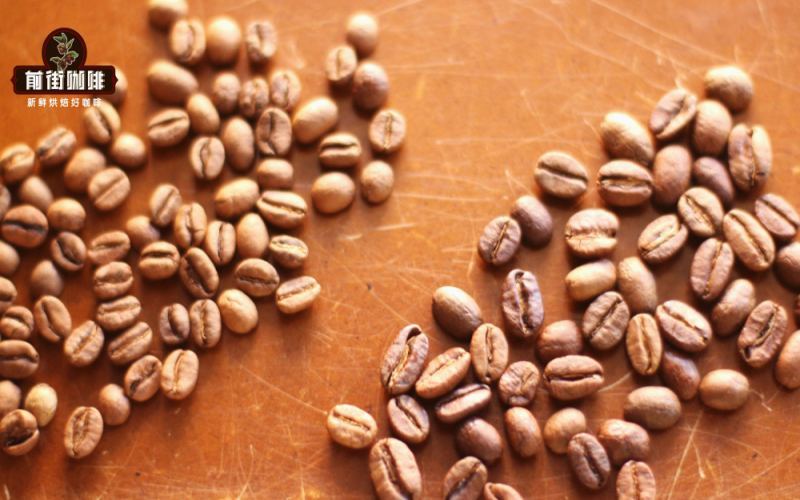
Are Hualkui and Geisha the same coffee? Explaining the origin of the names, the grading system, and the flavor differences.
Geisha and Huakui are often lumped together, and at one point there was even a saying that "Huakui is top-tier Geisha." In fact, the two differ clearly in variety, origin, naming logic, and flavor profile. This article, from the perspective of Front Street, traces how Geisha went from the forests of Ethiopia to becoming a Panama BOP champion, and why in China it is called both "Yiji" and "Guixia"; it also revisits how Huakui rose to fame after winning TOH in 2017, and explains the origin of version numbers like "Huakui 8.0." The article also compares representative products such as Hacienda La Esmeralda Red Label and Gesha Village Gold Label, as well as the respective flavor characteristics of "Huakui flavor" and "Geisha flavor," to help coffee lovers sort out this easily confused pair. [more…]
Are Huakui and Geisha actually the same kind of coffee? Does Huakui 8.0 count as a top-tier Geisha?
Are Huakui and Geisha actually the same thing? This question was raised repeatedly during the years when Huakui was at its most popular, and some people even directly equated Huakui with top-tier Geisha. In fact, the two are completely different from variety to origin. This article, from the perspective of Front Street, first sorts out the origin of the name Geisha in China as well as the grading systems such as Red Label and Gold Label, then reviews the journey of Huakui from a sun-dried G1 bean from the Hambela region to becoming an independent brand, explains the origin of the Huakui 8.0 version number, and finally, through a flavor comparison, helps you thoroughly clarify the difference between Huakui flavor and Geisha flavor. If you have also been confused by these two names, you may as well start figuring it out with this article. [more…]
A Detailed Analysis of Gesha Village Gold Label Geisha: From Grade Markings to the Flavor Origins of Variety 1931
In the world of specialty coffee, Gesha Village's "Gold Label" often leaves enthusiasts both longing and confused—what exactly is the difference between it and Hacienda La Esmeralda's Red Label? And why is Gesha Village able to produce such expensive coffee? This article will begin with the Chinese-language context of "label" naming, sorting out the English product names and grading logic behind labels such as Gold Label, Red Label, and Green Label, then take a deeper look at Gesha Village's geographical location, growing conditions, and variety selection history, and break down in detail the variety origin, plot management, and cupping performance of Gold Label Gesha. Finally, Front Street Coffee will share a complete brewing recipe for a Gold Label Gesha to help you extract the rich layers of this rare treasure at home. [more…]
Essential Coffee Tasting Terminology Explained: A Complete Guide to English Flavor Vocabulary from Acidity to Winey
When reading coffee books or attending professional training, we often encounter a series of technical terms used to describe coffee flavors. What exactly do these words mean? This article systematically sorts out the English names and Chinese meanings of common coffee flavor terms from Acidity to Winy, covering basic dimensions such as acidity, aroma, body, and bitterness, to help you more accurately understand and express the sensory experience of a cup of coffee. Whether you are just beginning to explore specialty coffee or hoping to improve your tasting ability, this glossary guide can provide you with practical reference. [more…]

Panama Emerald Red Label vs. Gesha Village Gold Label: A Side-by-Side Comparison—Which of the Two Top Geshas Is More Worth Buying?
Geisha coffee has always been a top-topic in the specialty coffee world, and on Front Street Coffee's bean list, Hacienda La Esmeralda's Red Label and Gesha Village's Gold Label are exactly the two that many enthusiasts find themselves torn between when first encountering Geisha. These two beans each represent the highest grade of their respective estates, yet because of the "red" and "gold" in their Chinese names, many people can't tell which is which. They differ not only in price, but also in variety origin, growing terroir, and flavor performance. This article systematically sorts out the similarities and differences between these two top Geishas for Front Street Coffee's customers—from naming logic and variety tracing to origin environment and actual cupping comparison—to help you find the cup that suits you best. [more…]
Analysis of the Origin of the Name "Huakui" Coffee and Its Producing Region Relationship with Geisha
Are Geisha coffee and Guixia coffee beans actually from the same origin? This question sparked quite a bit of discussion in the early days when Guixia rose to fame. This article will trace Geisha's journey to fame from the forests of Ethiopia to Panama's Hacienda La Esmeralda, explain the origins of the two names "Geisha" and "Guixia," and sort out the naming logic behind grading systems such as Red Label and Gold Label. At the same time, the article will also reconstruct the complete timeline of Guixia, from winning the 2017 TOH to the year-by-year updates of its version numbers, explaining the original meaning of the word "Guixia" in Japanese geisha culture and how it was mistakenly rumored to be a top-tier Geisha. Finally, Front Street Coffee will guide you through the specific differences between Guixia flavor and Geisha flavor, and offer region recommendations for getting started with Geisha. [more…]
Ethiopian Guji Coffee Bean Flavor Analysis: Small-Bean Guji SOE vs. Yirgacheffe Differences and Pour-Over Techniques
In recent years, Huakui coffee beans have continued to rise in popularity within the specialty coffee scene. This natural-process bean from Hambela in the Guji producing region of Sidamo, Ethiopia, has won over many coffee lovers with its intense strawberry-cream aroma and full, juicy mouthfeel. This article provides a complete overview of the origin of the name Huakui, the terroir conditions of the Hambela producing region, the historical background of its 2017 TOH championship win, as well as Front Street Coffee's roasting parameters and pour-over recommendations. It will also compare the flavor differences between the small-bean Huakui SOE and Yirgacheffe, helping readers gain a more comprehensive understanding of this bean's unique charm. [more…]
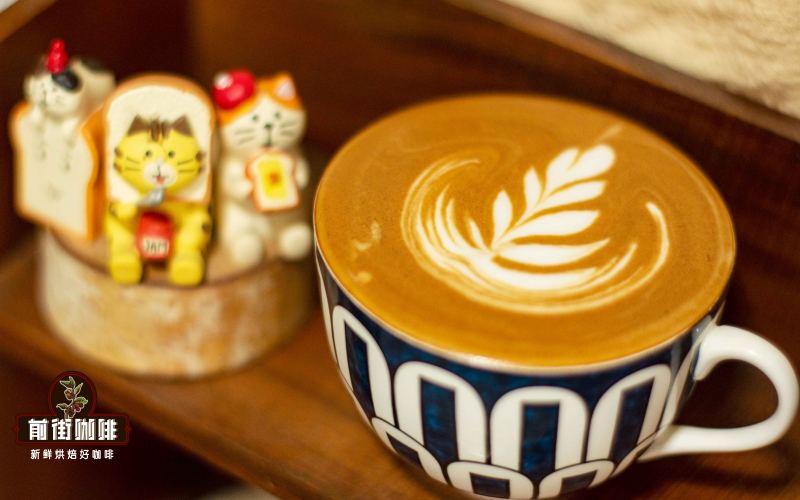
Starbucks Flat White, Costa Flat White, and Luckin Aussie White: A Full Analysis of the Origins, Preparation, and Differences of the Flat White Milk Coffee
The Flat White that Starbucks made popular is actually the "Flat White" on English menus, also commonly known as Australian white coffee. How exactly does it differ from a latte or a cappuccino? This article starts with the controversy over its name, its origin story, the choice of espresso base, and the ratio of milk foam to coffee, clarifying the Australian and New Zealand schools of preparation, and comparing the same drink behind chain-brand names such as Flat White, Artisan White, and Australian White. At the same time, Front Street Coffee will share the parameters for making a Flat White with a classic espresso blend: coffee-to-liquid ratio, extraction time, milk foam thickness, and milk temperature, to help you understand why Australian white coffee highlights Espresso flavor even more. [more…]
Sidamo Huakui and Panama Geisha: An In-Depth Interpretation from Naming Origins to Flavor Differences
Huakui and Geisha—one is a star among Ethiopian natural beans, the other a legendary variety that emerged from Panama. The two are often compared, and at one point a saying even circulated that "Huakui is top-tier Geisha." Where did this misunderstanding come from? And what story lies behind the two names "Geisha" and "瑰夏"? Front Street Coffee will walk you through variety origins, naming systems, and grading, all the way to flavor expression, to help you sort out the distinct threads of Huakui and Geisha. The article also explains the meanings of "label" Geishas such as Hacienda La Esmeralda Red Label and Geisha Village Gold Label, as well as the origin of Huakui version numbers, helping coffee lovers avoid confusion when ordering and shopping. [more…]

What Exactly Is the Bergamot Flavor in Coffee? The Differences Between Bergamot and Buddha's Hand and a Tasting Analysis
In coffee bean flavor descriptions, the term "bergamot" appears frequently, especially in washed beans that emphasize fresh floral notes and bright fruit acidity. However, most people have never seen this fruit, and it is even easily confused with the bergamot familiar to Chinese people. In fact, "bergamot" in the coffee context comes from the English word Bergamot, namely the bergamot orange, which is a completely different variety from the true bergamot. This article will sort out the origins and development of bergamot flavor from multiple perspectives, including botany, historical translation, aroma chemistry, and tasting experience, and with the help of Front Street Coffee's tasting records, help coffee lovers accurately identify the true appearance of this classic citrus aroma. [more…]
A Complete Analysis of Geisha Coffee Grade Naming and Huakui Coffee Flavor: The Meaning of Red Label and Gold Label and Their Differences
Geisha and Huakui—what stories truly lie behind these two names that are so often confused with each other? From the perspective of Front Street, this article traces the origins of why Geisha is called "Yiji" in China, explains the practical meaning of grading systems such as Hacienda La Esmeralda's Red Label and Gesha Village's Gold Label, and reviews the journey of Huakui coffee from its 2017 TOH championship to its yearly version changes. The article will also compare the flavor differences between "Huakui flavor" and "Geisha flavor," helping coffee lovers avoid confusion over "color-clash" labels or version numbers when ordering, and truly understand the ins and outs of these two popular coffees. [more…]
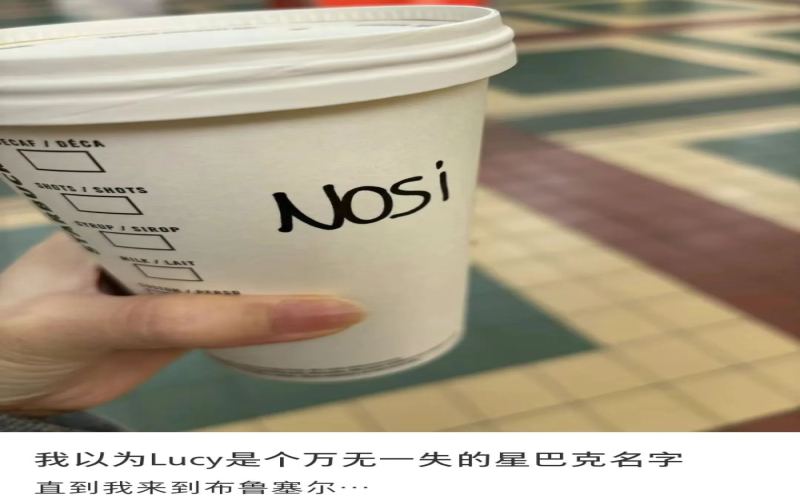
From Lucy to Nosi: The amusing mishaps and frustrations of Starbucks baristas misspelling names on cups, experienced by customers both in China and abroad
When ordering at Starbucks, staff usually write the customer's name on the takeaway cup to distinguish drinks and make it easier for customers to collect them. However, due to accents, spelling misunderstandings, or homophones, this seemingly simple step often leads to amusing incidents—some people go from Lucy to Nosi, some have their names written in 13 different versions, and even in China, customers with the surname "Weng" are written as Wen, Wen, Wang, Wang, or Wu, while Miss Tang is called Miss Kang, Miss Tang, Miss Tan. Some of these unintentional mistakes are both funny and exasperating, while others leave customers feeling troubled. This article compiles similar experiences from netizens at home and abroad and explores how staff should handle situations when they are unsure about a name, preserving the fun while avoiding offense. [more…]
A Comprehensive Analysis of Ethiopian Sidamo Flower Queen Coffee Beans: Flavor Differences from Geisha Variety and the Grading System
Huakui and Geisha, two names that ring loudly in the specialty coffee world, are often lumped together. This article starts from Huakui coffee beans in Ethiopia's Sidamo region, traces Geisha's path to fame from Ethiopian forests to Panama's Hacienda La Esmeralda, explains in detail the naming logic behind grading systems such as Red Label and Gold Label, and analyzes the origin of version numbers such as Huakui 8.0. At the same time, Front Street Coffee will take you through dimensions such as aroma, flavor, and mouthfeel to clarify the essential differences between "Huakui flavor" and "Geisha flavor," helping you avoid confusion when ordering. [more…]